

Introduction
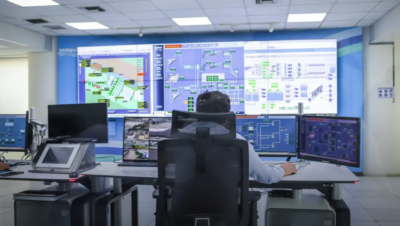
Recent ransomware incidents targeting operational technology have highlighted the harsh realities faced by security and engineering teams when OT systems are taken offline. Once SCADA visibility is lost, operators are forced to rely on manual controls and human judgment to keep critical processes running. This shift significantly increases operational risk, slows response times, and exposes gaps in preparedness that are often hidden during normal automated operations.
Extended Recovery in OT Environments
One of the most immediate challenges in these incidents is the lack of real-time monitoring and centralized control. Without access to supervisory systems, teams must manage complex industrial processes manually, often for extended periods. Recovery timelines in OT environments are typically much longer than in traditional IT networks, as systems cannot be quickly rebooted, patched, or restored without impacting safety and continuity.
Legacy OT Assets Remain Prime Targets
The incidents also reinforce a consistent pattern: legacy OT assets remain the most common entry points for attackers. Programmable logic controllers (PLCs), human-machine interfaces (HMIs), and other long‑lifecycle devices are frequently unable to support modern security controls. Weak credentials, flat networks, and limited logging make these systems particularly vulnerable and harder to monitor for early signs of compromise.
Preparing for Manual-Mode Failure
For security teams, the key lesson is clear: OT environments must be designed to withstand “manual‑mode” failures. This means focusing on strong credential hygiene, strict network segmentation between IT and OT, and enhanced monitoring for legacy systems that cannot be easily patched. Preparing for detection delays and degraded visibility is essential to minimizing operational impact and restoring control safely when incidents occur.