

Water utilities across Europe are becoming increasingly dependent on connected technologies to manage treatment facilities, monitor distribution networks, and improve operational efficiency. Industry experts report that digital transformation is creating significant opportunities for the sector, but it is also exposing water operators to a broader range of cyber threats than ever before. Cybersecurity Trends | European Smart Water Utilities 2026 highlights that cybersecurity has become one of the industry’s most urgent concerns.
As water companies deploy smart meters, remote monitoring systems, and automated control platforms, the distinction between traditional information technology and operational technology continues to blur. This convergence improves visibility and decision-making but also expands the number of potential entry points that cybercriminals can target. Industry leaders warn that unsecured remote access points, legacy infrastructure, and outdated industrial protocols remain common weaknesses within many utility environments.
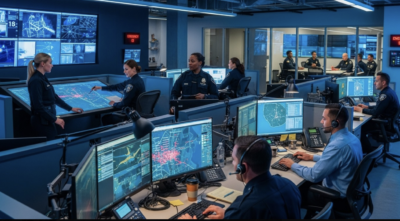
Experts note that protecting a modern water utility requires more than installing cybersecurity tools. Effective security strategies must include continuous monitoring, asset visibility, threat detection, and comprehensive governance processes. Increasingly, utilities are investing in security operations capabilities that allow them to monitor both their IT and OT environments in real time and identify suspicious activity before it can affect operations.
The report concludes that cybersecurity is no longer a purely technical matter. Water providers are beginning to treat cyber resilience as a strategic business objective linked directly to service continuity, regulatory compliance, public trust, and long-term operational sustainability. As digitalisation accelerates, cyber resilience is becoming a board-level responsibility throughout the European water sector.