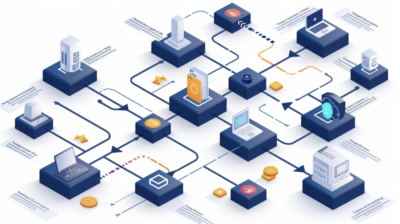

The National Institute of Standards and Technology (NIST) released comprehensive guidance designed to help water and wastewater operators strengthen security around remote access to operational technology environments. The publication addresses one of the sector’s most pressing challenges: enabling remote management and monitoring while maintaining strong cybersecurity protections for critical infrastructure.
Remote access has become increasingly important as utilities adopt digital monitoring systems and automation technologies. However, the use of internet-connected devices, sensors, and remote maintenance capabilities also introduces additional cyber risks. Security experts have repeatedly warned that poorly secured remote access systems can provide attackers with direct entry points into operational environments responsible for water treatment and distribution.